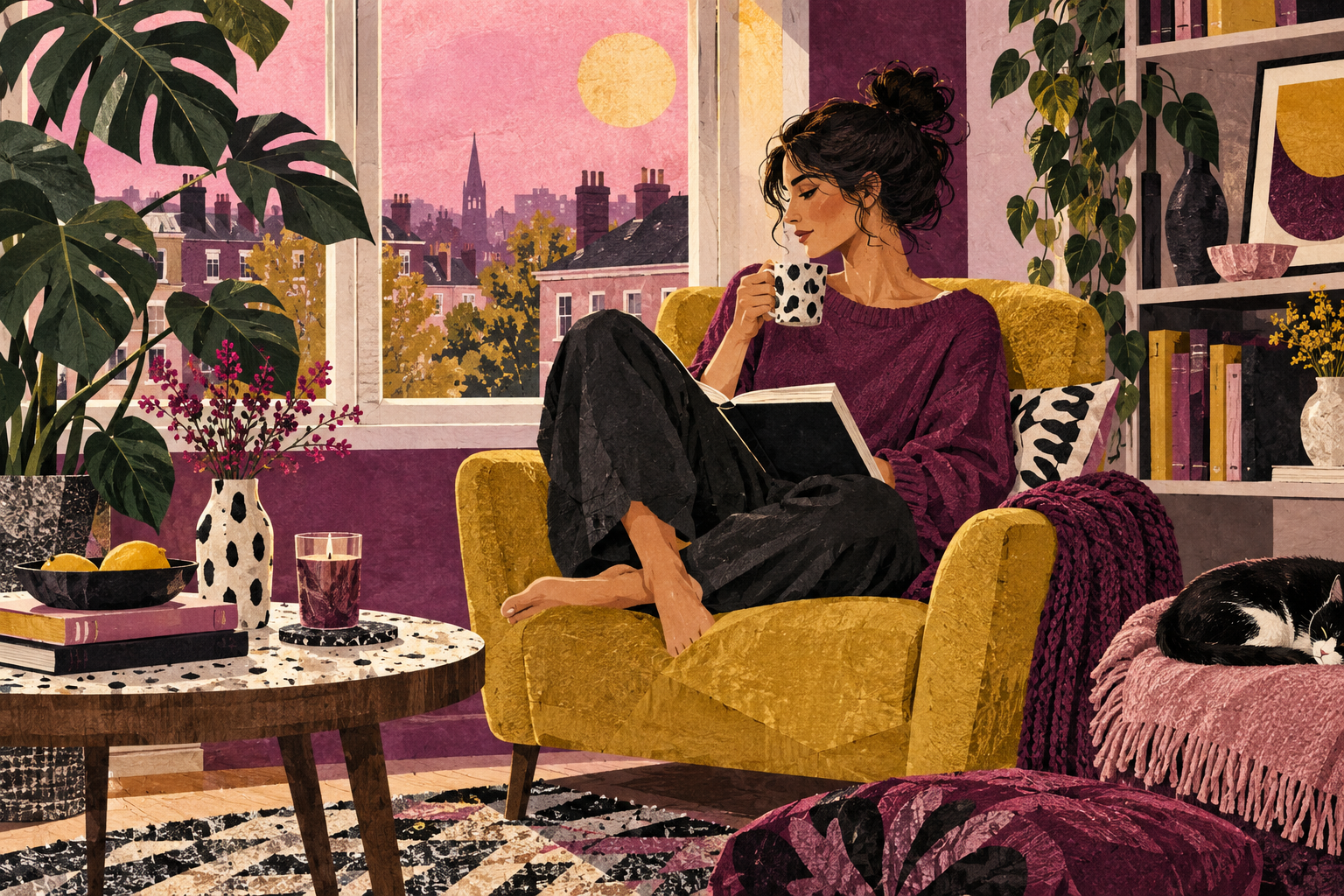
Finishing a project can seem to trigger an immediate next step: photograph it, post it, explain it. If you do not want to share, the work may feel strangely incomplete, as though private satisfaction were only a preliminary version of a public response.
You can stop at making. The drawing can stay in a folder, the writing in a private document and the object in a room where only a few people see it. An audience is one possible part of a creative practice, not a requirement attached to every activity.
Ask what sharing would offer in this case. You may want feedback, connection, a record of progress or an opportunity relevant to the work. Naming the purpose can help you choose an appropriate audience and format rather than posting from habit.
Consider privacy, permissions and the people represented in the material before sharing. Your own willingness to be visible does not settle someone else's consent. Remove identifying details where appropriate and respect rights in any material you did not create.
If you decide to share, choose a scale that feels suitable. One trusted person may provide the kind of response you want. A wider platform can bring different attention and expectations, which are worth considering before publishing.
You can also change your mind about future work without needing to remove meaning from earlier public pieces. Some projects invite company; others benefit from remaining personal. The boundary can vary with the subject and the stage of the process.
Choose a storage arrangement that treats the work with ordinary care. A folder, suitable box or organized digital location may be enough. Label versions when that helps you return to them, and consider access if the material is personal. Keeping something private should not mean leaving it in a place where it is easily damaged, lost or casually seen by people you did not intend to invite.
If someone asks to see it, you can give a simple answer: “I am keeping this one to myself for now.” You may later share a small part, show one person or decide that the work is complete in private. None of those choices needs to become a general rule about everything you make. The level of visibility can fit the particular piece and your circumstances at the time.
Private work still occupies real time and attention. It can teach you something, hold a memory or make an ordinary afternoon more absorbing. Its value does not disappear because there is no visible count beneath it. The decision to show the work should belong to the work and your circumstances, rather than to an assumption that every enjoyable thing must eventually become evidence online.
A little more room to be yourself.